Uncertain SystemsUncertain Systems
PlatformPricing
LoginCreate your Workspace
SCIENCE

A holistic model of knowledge.

Uncertain Systems is grounded in a physical view of learning: knowledge configuration space, proximity as the measure of knowing, and education technology as a path toward transformation with less wasted effort.

Our thesis

We need a measurement system based on something abstracted away from pure result samples.
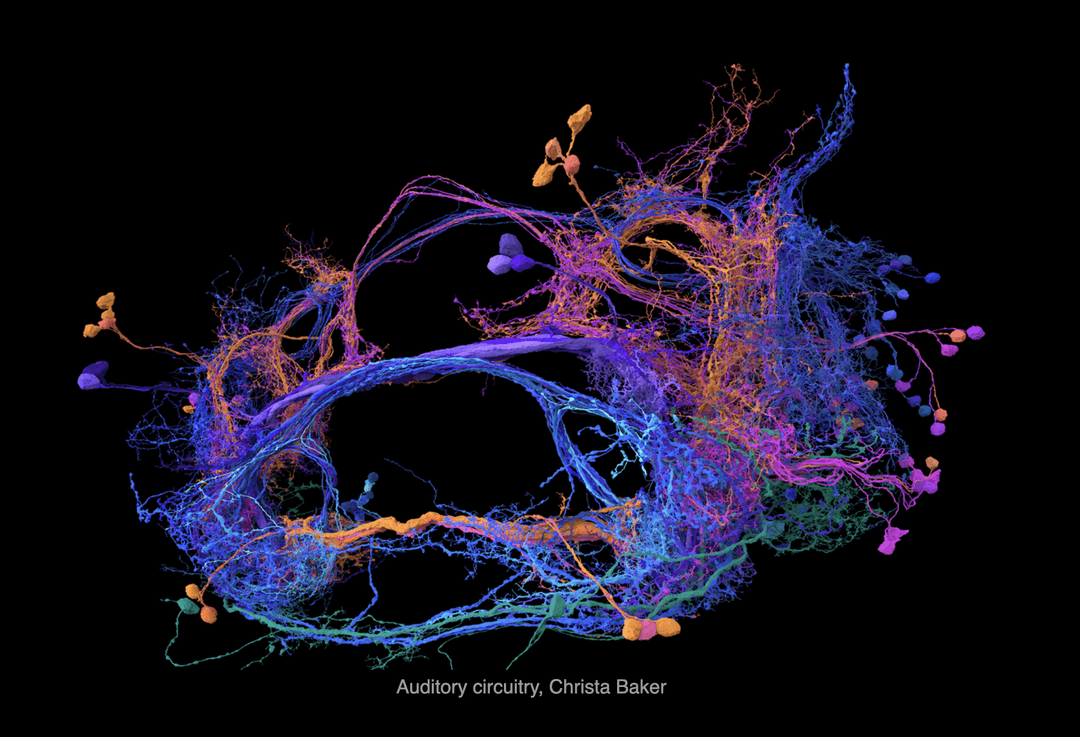
Flywire — problem-solving signals mapped into knowledge space
Source: flywire.ai

The Hypothesis

We cannot map a brain, biomarkers, or a fancy predictive model. Cognition is too complex to model that way. As a proxy, we watch how they solve problems, turn those signals into a mathematical space, and compare them to regions that correspond to the target knowledge we are validating.

Proof of Work — expert signal

Proof of Work proxy

Accredited expert work as the signal we can capture.
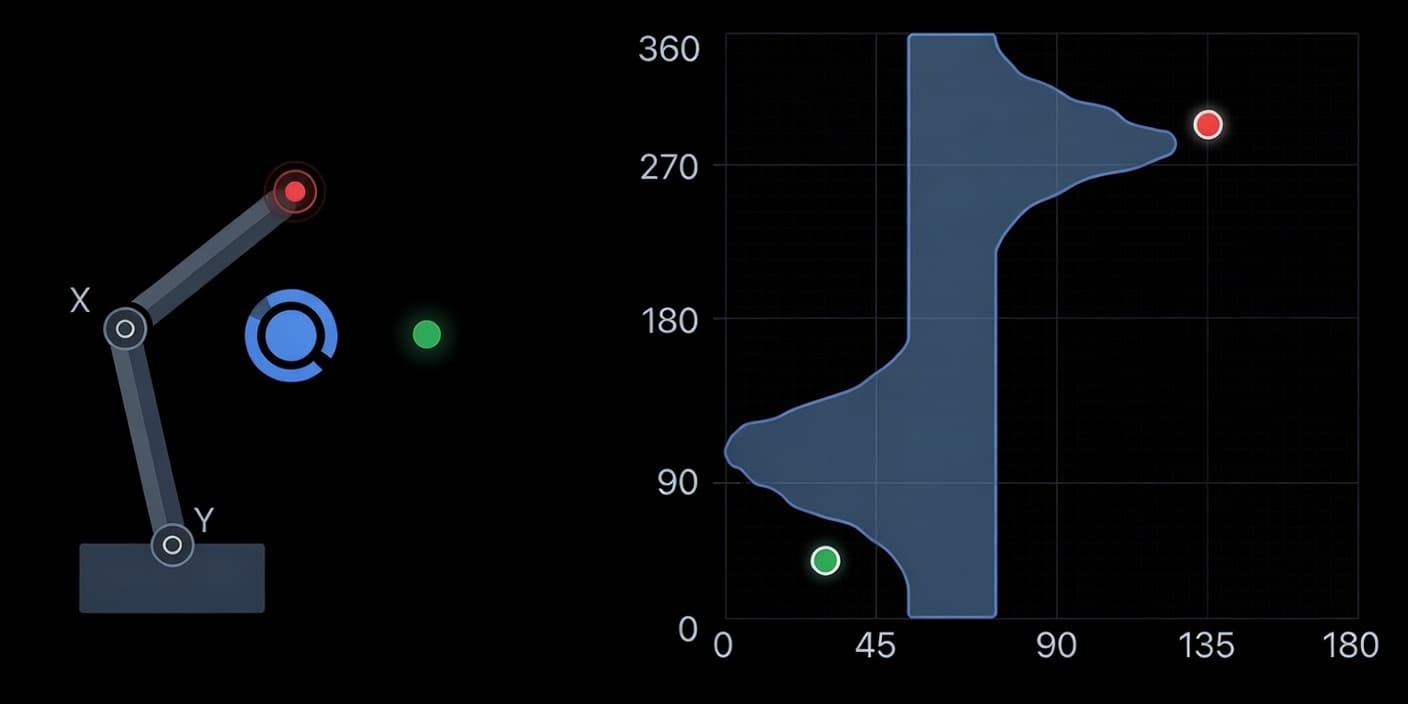
Configuration space — proximity to a cognitive target

Configuration space

Beyond the brain — tools, workplace, applied context.
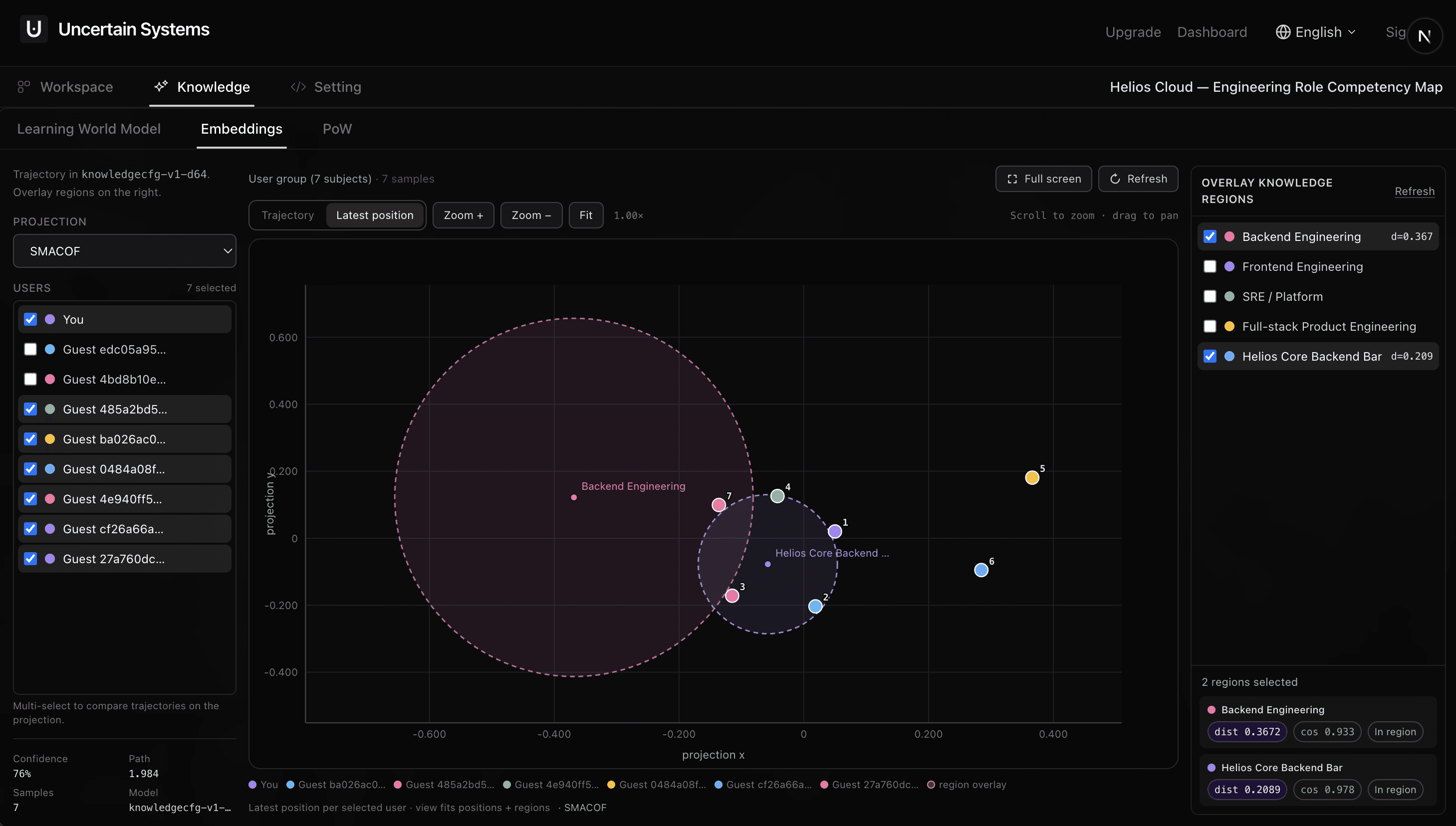
High-dimensional embeddings with labeled knowing-X regions

Distance to “knowing X”

Embeddings + labeled regions instead of pass-rates.

01

Knowledge Configuration

The full physical state of a human brain at a specific point in time.

Every moment of thought, memory, and skill lives in a unique configuration of neural activity. Understanding learning means understanding how one configuration relates to another — not just what was answered on a test.

02

Knowledge = Proximity

A useful configuration is close enough to retrieve, apply, and transform.

Knowledge is not a binary flag. It is how near your current brain state is to a configuration where you can reliably retrieve, apply, and transform what you need. Closeness — not completion percentage — is the meaningful signal.

03

Learning = Transformation

Learning is movement through configuration space, ideally with less wasted effort.

To learn is to move from one configuration toward another useful one. The goal of educational technology should be to shorten that path — reducing wasted effort while preserving depth of understanding.

04

Non-Invasive Path

Start with software attention loops, then add world models, stimulation, and biofeedback.

We begin with software: attention loops, Socratic questioning, and proof-of-work verification. Over time we layer world models, non-invasive stimulation, and biofeedback — building toward self-driving learning without asking humans to burn proportionally more energy.

Research

Methods & planned experiments

Academic working papers on how we externalize cognition as Proof of Work and how we plan to embed that data into a Map of Knowledge.

Working paper · 2026

TAP Stash/Submit White Paper

A methods white paper on the Think Aloud Protocol Stash/Submit interface for externalizing dual-process thought traces as Proof of Work data, and a planned experiment on embeddings and Map of Knowledge regions.

Read the white paper

This model drives everything we build — from learning verification and think-aloud protocol today, to predictive interruption models and non-invasive hardware tomorrow.

See our vision
Uncertain SystemsUncertain Systems

A knowledge workspace with software tools that verify and augment learning for humans and AI agents.

Product

  • Vision
  • Science
  • Pricing
  • Proof-of-Work API

Workspace

  • Create workspace
  • Agent skill file

Resources

  • GitHub

Legal

  • Privacy
  • Terms
  • Cookies
  • Legal Notice
@uncertainsysdaniel@uncertain.systems

© 2026 Uncertain Systems (Daniel Colomer). All rights reserved.

Building the open stack for educational technology